
Last updated October 16, 2026
 Wrought iron
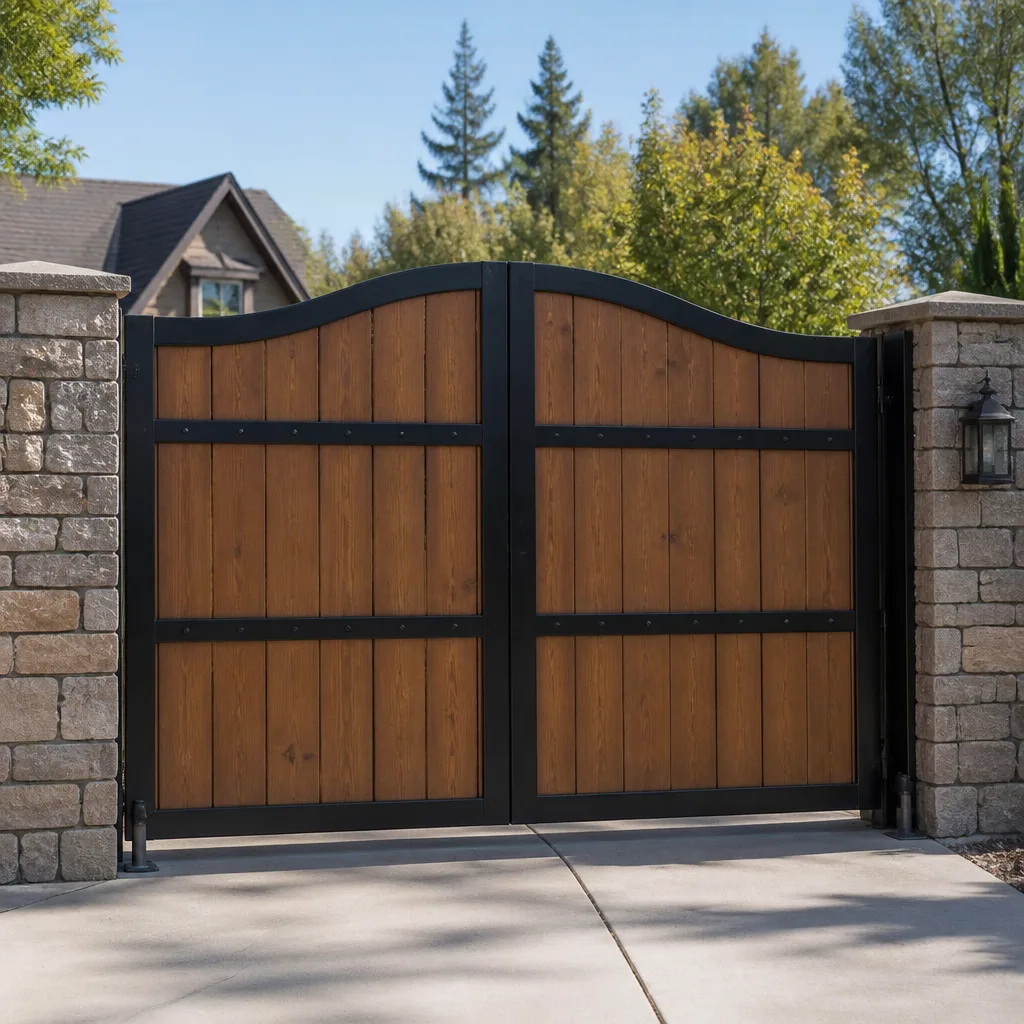 Wood & steel frame
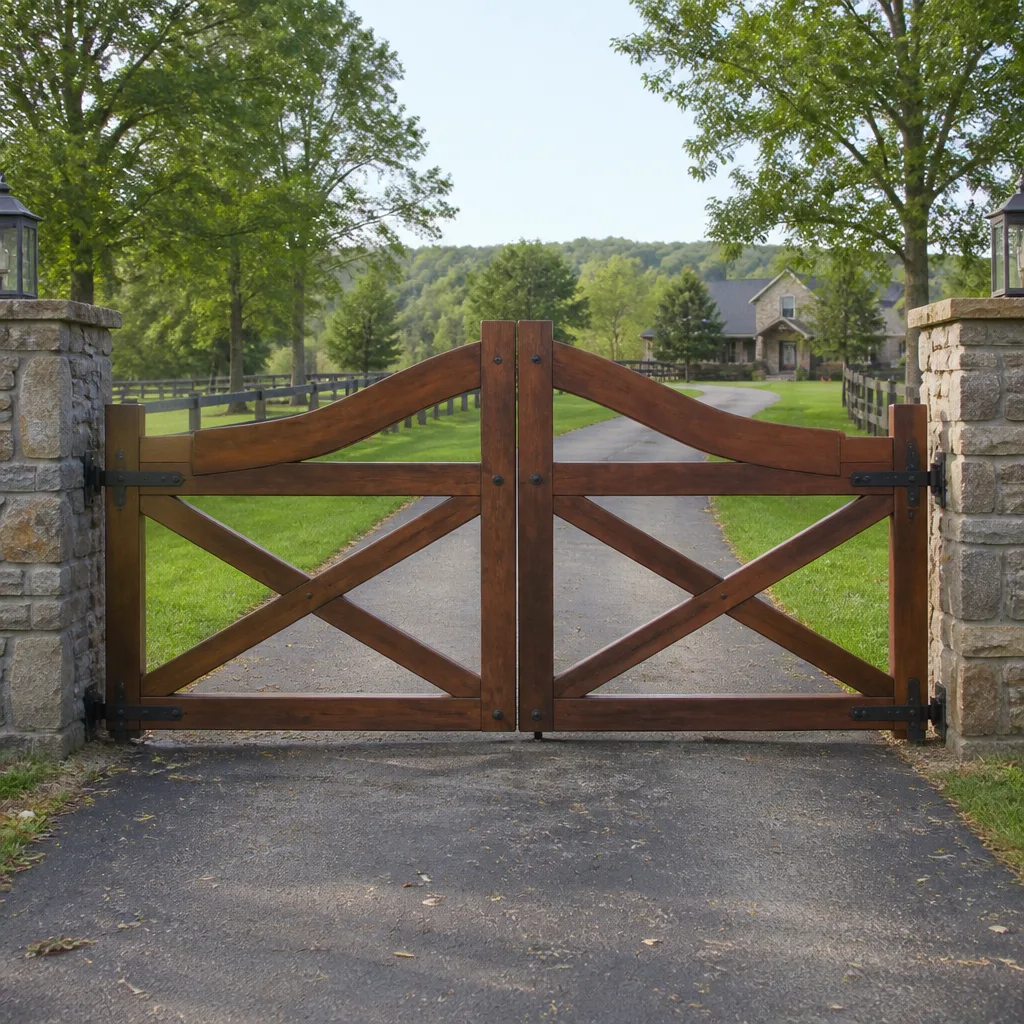 Farm & ranch
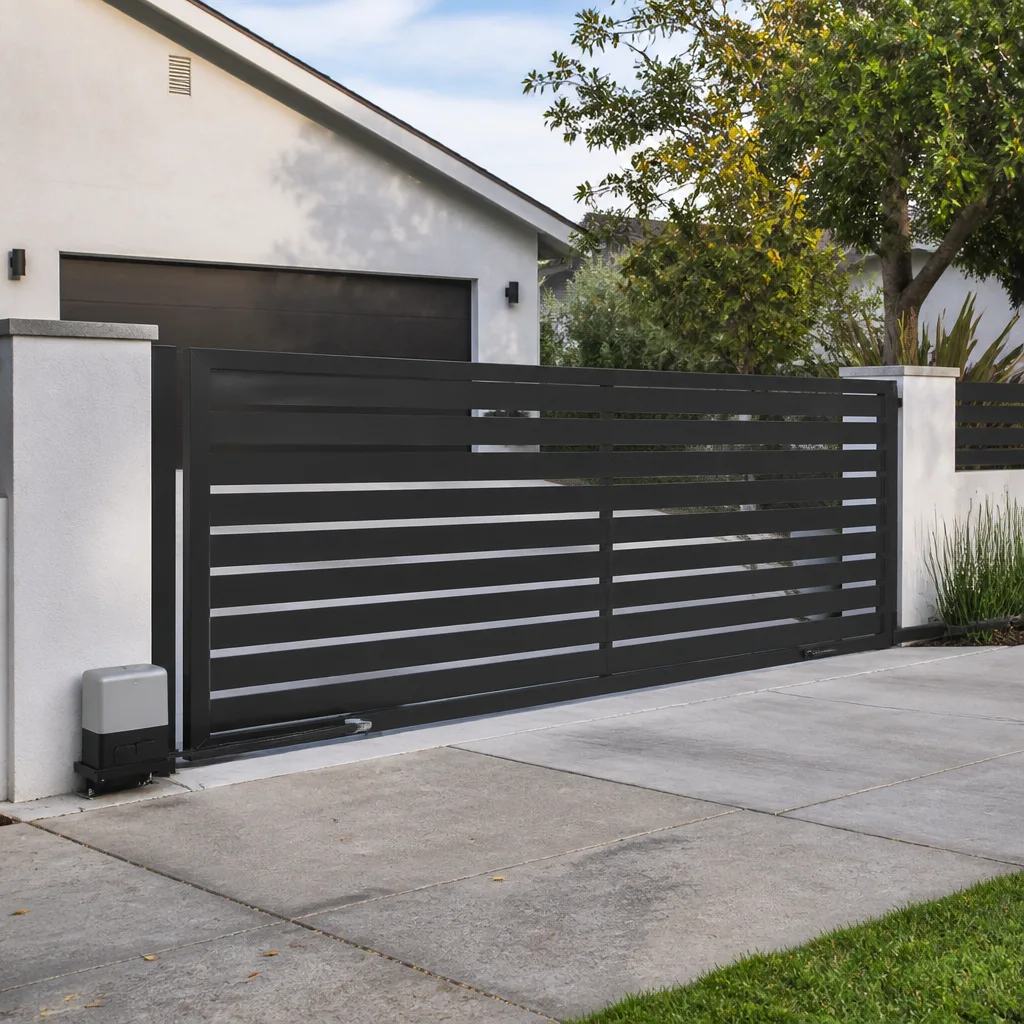 Sliding driveway gates
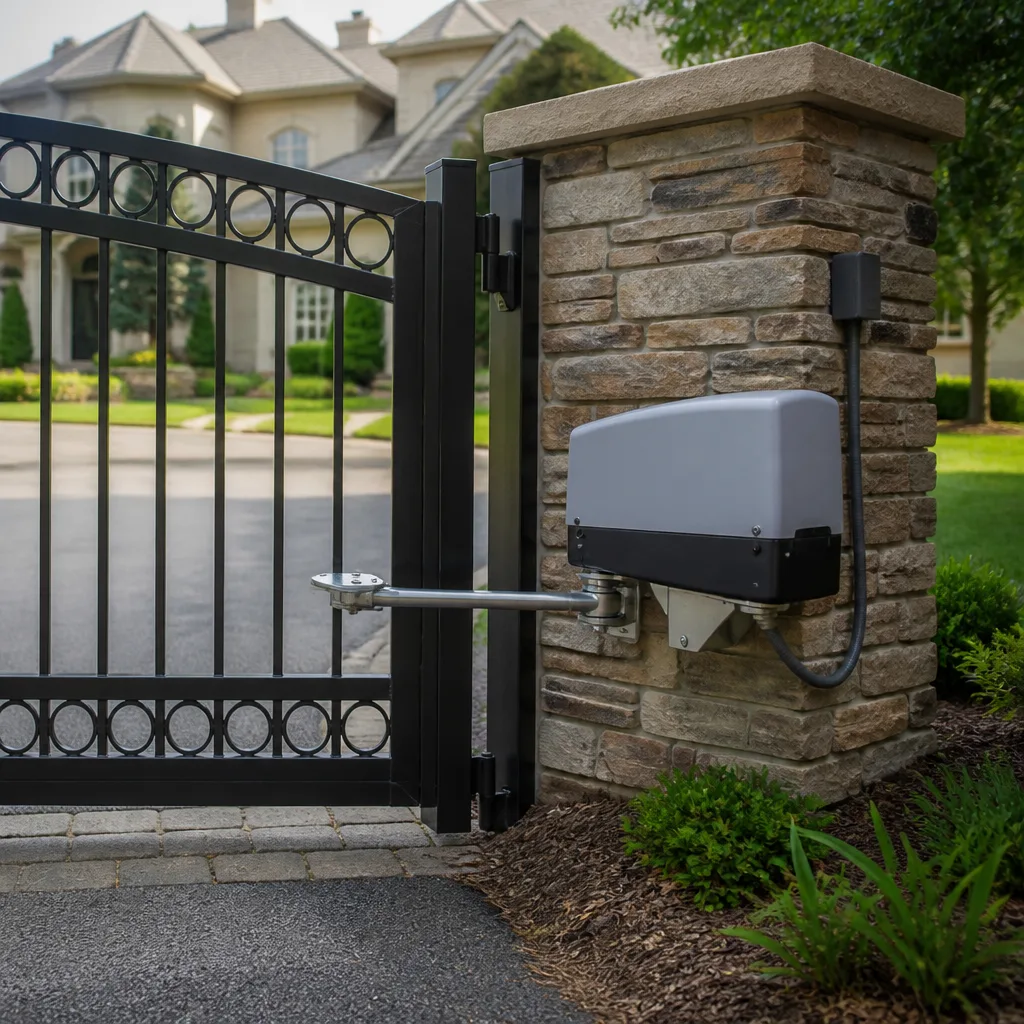 LiftMaster operators
Free on-site gate assessment - hinges, posts, and your LiftMaster or Nice gate operator checked before anything is quoted
The assessment is free and the quote is the invoice.
Get your free estimateGate Repair Permits, Codes & Inspections in CA: What You Need to Know
Here’s a counterintuitive fact most Pasadena homeowners don’t learn until it’s too late: a simple gate motor swap can be classified as an electrical alteration, not a repair. That distinction matters because, in certain configurations, the city requires a permit before the work happens. In 2023, a Pasadena homeowner discovered at escrow that an automatic gate opener installed without a permit three years earlier had to be re-inspected and certified before the sale could close – delaying closing by 11 days. This guide walks you through exactly when permits are required, which codes apply, how inspections work, and how to avoid inheriting someone else’s unpermitted mess. For related reading, see our Gate Repair Warning Signs: A Pasadena Homeowner’s Reference Guide. We’ll cover Pasadena specifics, California Title 19 and UL 325 safety rules, HOA layers in neighborhoods like Hastings Ranch and San Rafael, and what to do if a previous owner skipped the permit.
Quick Answer
In Pasadena, replacing a gate motor or installing a new automatic gate opener typically requires an electrical permit from Pasadena Building & Safety when new wiring or a new circuit is involved, and structural changes like post replacement or height modifications require a building permit. Basic repairs – swapping a circuit board, replacing a battery, adjusting limit switches – do not require a permit. Before any automatic gate work starts, confirm with the city whether a permit applies, because unpermitted work can delay a home sale and create liability if someone is later injured by the gate.
Styles & brands we work with
Table of Contents
- Which Gate Projects Trigger a Pasadena Permit (and Which Are Exempt)
- California Title 19 and UL 325: The Safety Code That Governs Automatic Gates
- HOA Covenants in Pasadena: Hastings Ranch, San Rafael, and What They Layer On Top
- What to Do If a Previous Owner Installed a Gate Without a Permit
- How to Confirm Your Contractor Will Pull the Permit Before Work Starts
- What Gate Permits and Compliant Repairs Cost in Pasadena
- Common Mistakes to Avoid
- When to Call a Professional
- Frequently Asked Questions
- The Bottom Line
Which Gate Projects Trigger a Pasadena Permit (and Which Are Exempt)
Pasadena Building & Safety follows the California Building Code with local amendments, and the key distinction comes down to whether the work is a like-for-like repair or an alteration. A repair restores something to its original condition. An alteration changes the system – new wiring, new structural components, a different motor type, a taller gate. Most like-for-like repairs don’t require a permit. Most alterations do.
Here’s the practical breakdown we use when advising Pasadena homeowners:
Work that typically requires a permit in Pasadena
- Installing a new automatic gate opener where none existed. This is a new electrical installation. You’re adding a circuit, a motor, a control board, and safety devices. Pasadena treats this as an electrical alteration requiring a permit and an inspection.
- Running new conduit or wiring to a gate motor. Any new electrical line, even low-voltage, that wasn’t there before is an alteration. A permit is the safe assumption.
- Increasing gate height or width. Raising a driveway gate from 5 feet to 7 feet changes wind load, hinge stress, and the post foundation requirements. That’s a structural change – building permit territory.
- Replacing gate posts that are set in concrete. If the post supports an automatic opener, the new post needs to meet current embedment depth standards. A permit ensures the concrete work and the post size are verified.
- Swapping a manual gate for an automatic gate. Even if you keep the same posts, adding a motor changes the gate from a static structure to a powered device governed by UL 325. Pasadena requires this to be permitted.
Work that typically does not require a permit
- Replacing a circuit board in an existing motor. The wiring stays the same. It’s a component swap.
- Replacing a battery in a solar gate opener. No wiring changes. No permit.
- Adjusting limit switches, force settings, or safety sensor alignment. Tuning and calibration are maintenance, not construction.
- Replacing a hinge or wheel. Mechanical repair on a non-structural component. Exempt.
- Replacing a gate opener exactly like-for-like, same voltage, same circuit. Some inspectors treat this as a repair. But confirm in writing first – Pasadena’s interpretation can vary by inspector, and we’ve seen both outcomes.
The lesson here isn’t to memorize the list. It’s to check before the work happens. A two-minute call to Pasadena Building & Safety – or asking your gate repair contractor to verify in writing – saves you from a delayed escrow or a surprise correction notice.
California Title 19 and UL 325: The Safety Code That Governs Automatic Gates
Automatic gates in California are regulated by two overlapping safety standards: California Code of Regulations Title 19 and the national UL 325 standard. Title 19 is the state-level fire and safety code that references UL 325 as the technical standard for automatic gate operators. In plain terms: UL 325 defines how the gate must behave to be safe. Title 19 makes that behavior enforceable in California.
Every compliant automatic gate installation in Pasadena must include these safety elements, because UL 325 compliance is what an inspector looks for:
Required safety devices on automatic gates
- Photoelectric sensors (photo eyes) on both sides of the gate. These detect a person, child, or pet in the gate’s path and reverse the gate before contact.
- Contact sensors on the gate’s leading and trailing edges. These sense physical pressure and stop or reverse the gate if something is touched. Required in addition to photo eyes, not instead of them.
- Audio or visual warning device. The gate must signal before or during movement – a beeper, a light, or both. This is the “pre-movement warning” requirement.
- Vehicular loop detectors or a free-exit system. The gate must open automatically when a vehicle approaches from inside the property. No one should have to get out of a car in the driveway with the gate closed behind them.
- Inherent entrapment protection (IEP). The motor itself must have a clutch or reversing mechanism that stops and reverses when it meets resistance. This works even if the photo eyes fail.
- Manual release mechanism. If the power goes out, the gate must be operable by hand. A keyed release or a turn-knob is standard on FAAC, BFT, and Linear openers.
Here’s the thing most guides skip: UL 325 compliance is not a one-time checkbox. When a gate operator is serviced, the sensors, the force settings, and the warning device all need to be re-verified. In our experience, we regularly find photo eyes covered in Pasadena dust or knocked out of alignment by sprinklers, which silently disables the entrapment protection. A gate that “works fine” can still be non-compliant – and non-compliant means liability for the homeowner if someone is injured.
Viking and BFT operators, common in Pasadena’s older estate properties, sometimes predate current UL 325 revisions. If your opener is more than 15 years old, the safest move is to have the safety devices evaluated before assuming the system meets today’s standard.
HOA Covenants in Pasadena: Hastings Ranch, San Rafael, and What They Layer On Top
City code is the floor, not the ceiling. In Pasadena neighborhoods with active homeowners associations, the HOA’s architectural review process can be stricter than the city’s building code. This is especially true in Hastings Ranch and San Rafael, where uniform streetscape standards have been part of the neighborhood identity for decades.
Here’s how the layers work in practice:
Who to contact first when gate work is planned
- Check your HOA’s CC&Rs (covenants, conditions, and restrictions). Look for language about fences, gates, front-yard structures, or “improvements visible from the street.” That language controls before city code does.
- Call the HOA architectural review committee. Ask one specific question: “Is a gate or gate motor replacement subject to architectural review?” Some HOAs exempt repairs but review new installations. Some review everything taller than 4 feet.
- Then call Pasadena Building & Safety. Once you know the HOA’s position, confirm the city’s permit requirements. Get both answers in the same phone call if possible, so you catch conflicts early.
- If the HOA approves, get it in writing. A verbal approval from a committee member isn’t binding at resale. An email or letter is.
We’ve seen Hastings Ranch homeowners spend $4,000 on a new driveway gate, then have the HOA require the gate to be restyled or recessed because it didn’t match the neighborhood’s set-back standards. That’s a preventable loss. San Rafael has similar front-yard visibility standards. The pattern is always the same: the HOA cares about how the gate looks from the street. The city cares about whether the gate is structurally sound and electrically safe. Both approvals matter, and neither replaces the other.
If your property is not in an HOA, you skip step one and two. Pasadena Building & Safety is your only regulatory layer. But Pasadena has a surprising number of HOA-governed pockets, so confirm your status before assuming the city is the only authority.
What to Do If a Previous Owner Installed a Gate Without a Permit
This is the scenario that inspired the opening of this guide, and it’s more common in Pasadena than most homeowners realize. Someone installed an automatic gate or a gate motor without a permit. Now it’s your property, which means it’s your problem. Here’s what the retroactive path looks like.
The retroactive inspection process at Pasadena Building & Safety
- Don’t panic and don’t start unpermitted repairs. Contact Pasadena Building & Safety and describe the situation honestly. The city’s process for “work performed without a permit” is a standard administrative path, not a punishment.
- Request a retroactive permit application. You’ll complete the same paperwork as a new permit, with the work described as “existing – verify compliance.”
- Schedule an inspection of the existing installation. An inspector will check the gate motor, the wiring, the posts, and – critically – the UL 325 safety devices required by Title 19. If the original installer skipped the photo eyes or the warning device, this is where it gets caught.
- Correct any deficiencies found during the inspection. The most common issues we see in Pasadena retroactive inspections are: missing photo eyes, no pre-movement warning, gate force set too high, and conduit not weather-sealed.
- Pass the re-inspection. Once the corrections are verified, the city issues the permit as retroactively approved. Keep this document with your property records. You’ll need it at resale.
The 2023 escrow delay mentioned at the start of this guide? That homeowner spent three weeks and roughly $600 on permit fees, sensor corrections, and re-inspection. The unpermitted work itself saved the previous owner a few hundred dollars in permit fees and an afternoon of inspection. That math is a poor trade, and it’s why we encourage every Pasadena homeowner to treat the permit as part of the job, not an optional extra.
If you’re the one selling, and you suspect the gate was unpermitted, disclose it. Pasadena real estate transactions rely on the TDS (Transfer Disclosure Statement), and silence on a known unpermitted gate creates real legal exposure. The fix is cheaper before escrow opens than after.
How to Confirm Your Contractor Will Pull the Permit Before Work Starts
“We handle permits” is a sentence that deserves a permit number. This is the section where we explain exactly how to verify, because the distinction between a licensed contractor who pulls permits and a handyman who hopes nobody checks is the single biggest risk in gate work. For help choosing the right professional, read How to Hire a Gate Repair Contractor in Pasadena: A Step-by-Step Guide.
Questions to ask before any automatic gate work starts
- “Will you pull the electrical permit for this job, and will the permit be in your company’s name?” A contractor who hesitates here is your answer. The permit should be in the contractor’s name, not yours, because that ties the contractor’s license to the work.
- “What’s the permit number after you file?” You should get a number within days of the application. You can verify it directly with Pasadena Building & Safety.
- “Who schedules the inspection – you or me?” The contractor should schedule it. If the plan is for you to handle inspections, that’s a red flag.
- “Which safety devices does this installation include per UL 325?” The answer should be immediate and specific: photo eyes, contact edges, warning device, loop detector or free-exit. If the contractor can’t answer, the installation won’t pass inspection.
- “What does the permit fee line item look like on the written quote?” A written quote should break out permit fees separately, not bury them in “miscellaneous.” You’re paying for it either way, but the line item tells you the contractor actually intends to file.
Here’s our process, transparently, because this is how we’ve done it since 2008: Warden Gate Repair Pasadena includes the city permit fee as a named line item on every written quote where a permit applies. We file the permit under our company name, we schedule the inspection, and we walk the inspector through the job when they arrive. You receive the final permit document after the inspection passes. That’s how a permit-backed job should work, and it’s what protects you at resale.
What Gate Permits and Compliant Repairs Cost in Pasadena
Pasadena permit fees are generally lower than nearby LA County jurisdictions, but the full cost picture includes the safety devices, not just the city fee. Here’s a realistic range for common automatic gate scenarios in Pasadena, based on work we’ve seen in neighborhoods across the city.
| Scope of Work | Typical Pasadena Cost Range | Permit Required? |
|---|---|---|
| Replace circuit board in existing opener | $180 – $400 | No |
| Replace battery in solar opener | $60 – $180 | No |
| Replace gate motor like-for-like, no new wiring | $450 – $900 | Confirm with city |
| Install new automatic opener with wiring and safety devices | $1,200 – $2,800 | Yes – electrical |
| Retroactive permit and correction of unpermitted work | $400 – $1,100 | Yes – retroactive |
| Permit fees (electrical, Pasadena Building & Safety) | $150 – $450 | N/A |
These ranges reflect Pasadena’s labor market and the cost of compliant UL 325 safety hardware. A FAAC or BFT opener installation on a heavier gate will run toward the high end because the motor itself carries a higher price, and the safety sensor package is more extensive. A lighter residential swing gate with a Linear opener tends to fall in the mid-range.
One cost factor specific to Pasadena: older homes with original 1960s and 1970s electrical panels sometimes require a sub-panel or a dedicated circuit for the gate motor, which adds $300 to $600. That’s not a gate problem – it’s an electrical infrastructure reality in Pasadena’s older neighborhoods, and a permit-backed job will catch it before inspection rather than after.
Every Warden Gate Repair Pasadena quote includes the written price for parts, labor, and permit fees, agreed before any work starts. No surprise line items, no post-inspection invoice adjustments. That’s the only way a permitted job should be priced.
Common Mistakes to Avoid
- Assuming a “repair” never needs a permit. If the repair involves new wiring, a new motor, or a new circuit, it can be classified as an alteration. Confirm before work starts, not after.
- Letting a handyman install the gate motor to save money. Handymen cannot legally pull electrical permits in California. The installation will be unpermitted by default, which becomes your liability and your resale problem.
- Skipping the HOA check in Hastings Ranch or San Rafael. A city permit doesn’t satisfy an HOA architectural review, and an HOA approval doesn’t replace a city permit. Both layers matter, and the HOA one gets skipped most often.
- Accepting “we handle permits” without a permit number. The sentence means nothing until a number exists in Pasadena Building & Safety’s system. Ask for the number. Verify it.
- Buying a home with an automatic gate and not asking about permits during the inspection period. By the time escrow flags it, you’re three weeks and several hundred dollars into a fix that the seller’s agent never disclosed.
- Ignoring UL 325 safety devices because the gate “works fine.” Works fine and code compliant are not the same thing. A missing photo eye is a liability, not a convenience feature.
- Retrofitting a manual gate to automatic without checking wind load. Pasadena’s Santa Ana wind season puts real stress on a taller gate. A compliant installation accounts for that. An unpermitted one often doesn’t.
When to Call a Professional
If your gate work involves any new wiring, a new motor, or changes to the gate’s height or posts, call a licensed contractor who pulls permits. The threshold isn’t “can a handyman do it” – it’s “should this be permitted,” and if the answer is yes, the person doing the work needs to be the one filing the paperwork. Same goes for any automatic gate showing safety symptoms: a gate that doesn’t stop when a child walks in front of it, a warning beeper that’s silent, photo eyes that are covered or misaligned. These are not tune-ups. They’re safety failures. Warden Gate Repair Pasadena offers free estimates in Pasadena – call (626) 657-5425 and we’ll tell you exactly what your gate needs, what it costs, and whether a permit applies, before any work starts.
Frequently Asked Questions
Any new automatic gate opener installation, new wiring, new circuit, gate height change, or post replacement requires a permit from Pasadena Building & Safety. Like-for-like repairs – circuit board swaps, battery replacements, sensor adjustments – do not. When in doubt, call the city directly or ask your gate contractor to verify in writing. Call (626) 657-5425 and we’ll check for you.
An unpermitted gate can delay or derail a home sale when it’s flagged during escrow, and it creates liability exposure if someone is ever injured by the gate. The retroactive permit process exists and works, but it’s easier – and usually cheaper – to do it correctly the first time.
Yes, in many cases. If new wiring is run or a new circuit is added, the motor replacement is an electrical alteration requiring a permit. A true like-for-like swap on existing wiring may be treated as a repair, but Pasadena’s interpretation can vary, so confirm before the work starts.
Photo eyes on both sides, contact sensors on the gate edges, a pre-movement warning device, a vehicular loop detector or free-exit system, inherent entrapment protection in the motor, and a manual release mechanism. This applies to all automatic gates, residential and commercial, in California.
Expect $400 to $1,100 all-in, including permit fees, inspection, and correction of common deficiencies like missing photo eyes or unsealed conduit. The exact amount depends on what the inspector finds.
Likely yes, if the gate is visible from the street or changes the front elevation. Check your CC&Rs first, then contact the HOA’s architectural review committee in writing. City approval and HOA approval are separate processes, and both are required where an HOA governs.
If the replacement involves new wiring or a new circuit, a permit is required and the work should be done by a licensed contractor. Even if you do the physical work yourself, the electrical portion of a new automatic opener installation needs a permit and an inspection.
The Bottom Line
Gate permits in Pasadena are not complicated once you know the trigger points: new automatic openers, new wiring, height changes, post replacement – these require a permit. Repairs that swap like-for-like components don’t. California Title 19 and UL 325 govern the safety devices every automatic gate must carry, and skipping them isn’t a gray area. HOA rules in neighborhoods like Hastings Ranch and San Rafael add a second approval layer. And unpermitted work from a previous owner is fixable, but it’s cheaper and faster to avoid it upfront. Permits protect the resale value of your home and your legal exposure – they’re the family’s safety net, not bureaucracy. For more guides & resources on gate maintenance and compliance, visit our blog.
Contact Warden Gate Repair Pasadena
If you’re planning gate work in Pasadena and want a straight answer on permits, cost, and code compliance, call Warden Gate Repair Pasadena at (626) 657-5425. We’ve served Pasadena since 2008, we’re factory-trained on FAAC, BFT, Linear, Viking, and other major brands, and every quote includes the written price – permit fees included – before any work starts. You’ll know who’s coming to your door before we arrive, and you’ll never get an invoice that looks different from the quote you approved.
Written by Cole Rafferty, Owner at Warden Gate Repair Pasadena, serving Pasadena since 2008.
See the difference
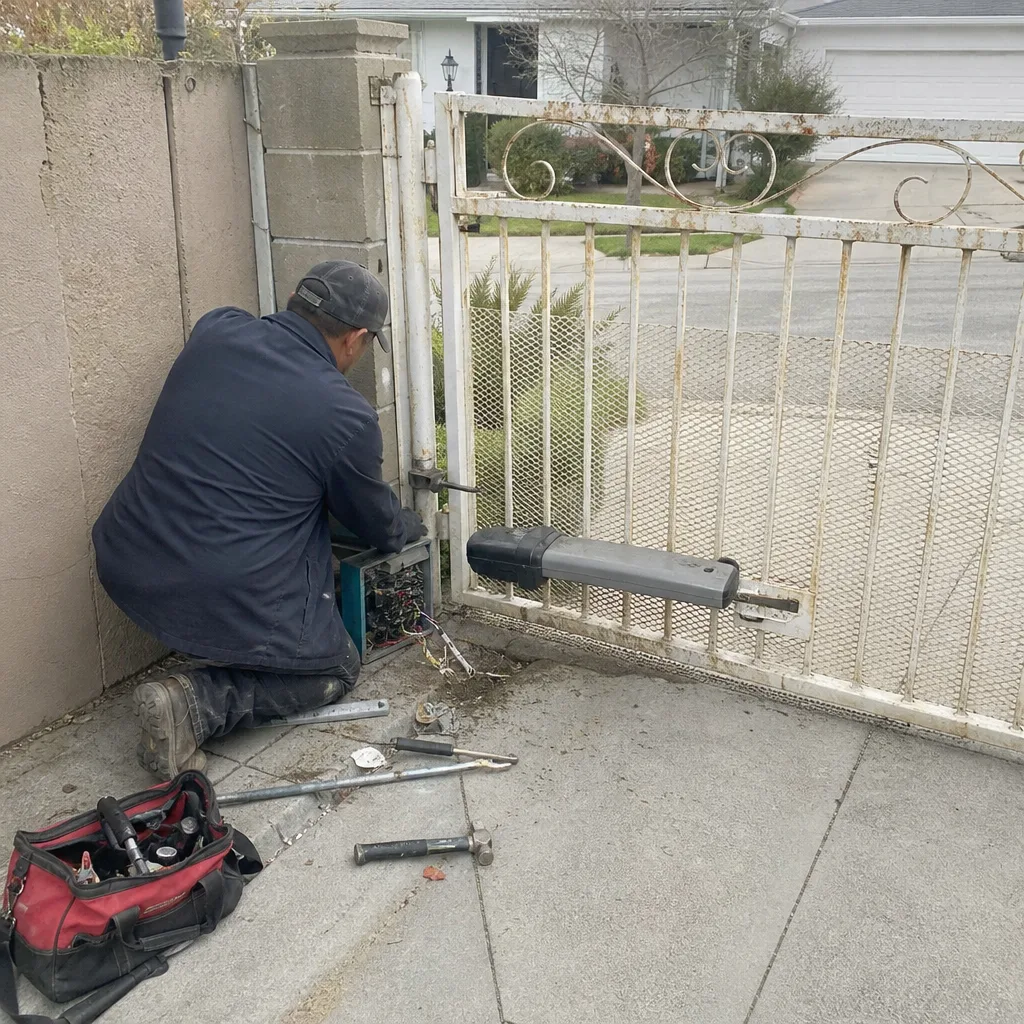 Before
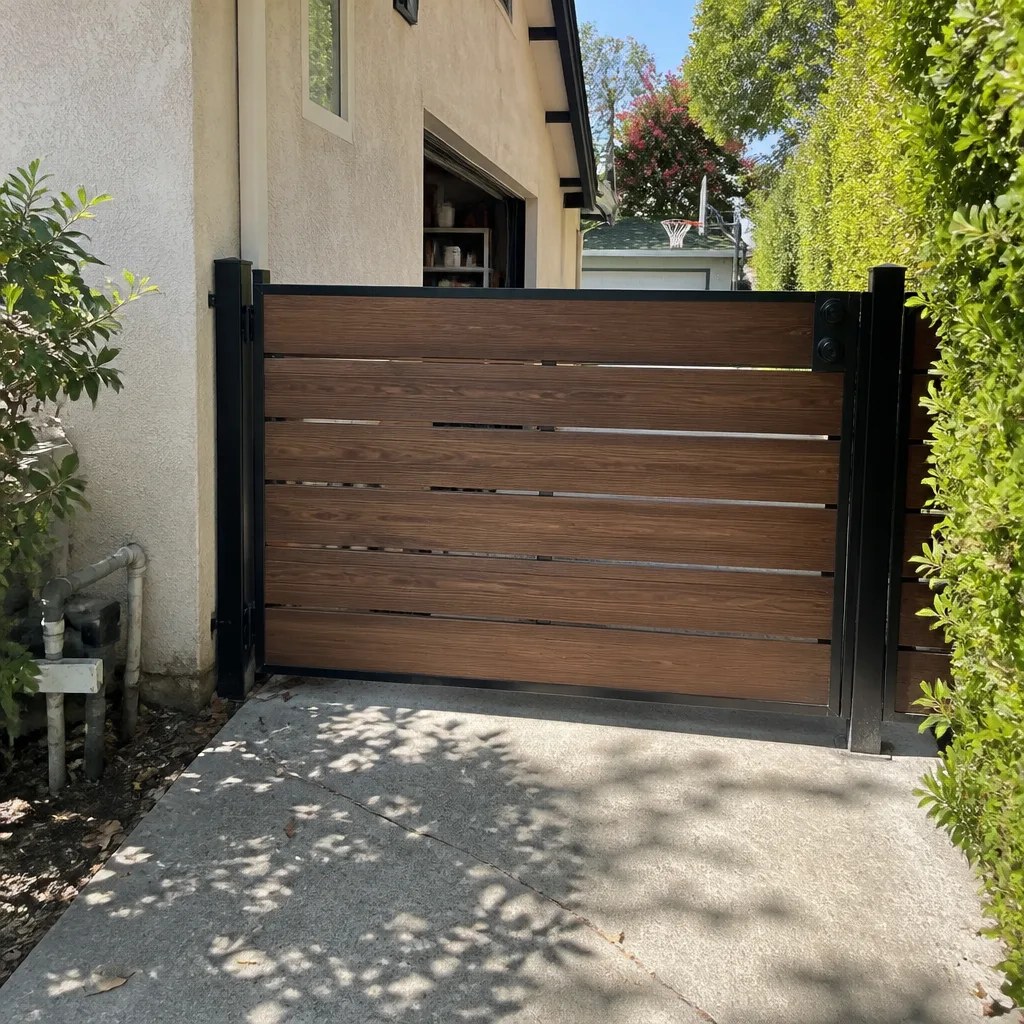
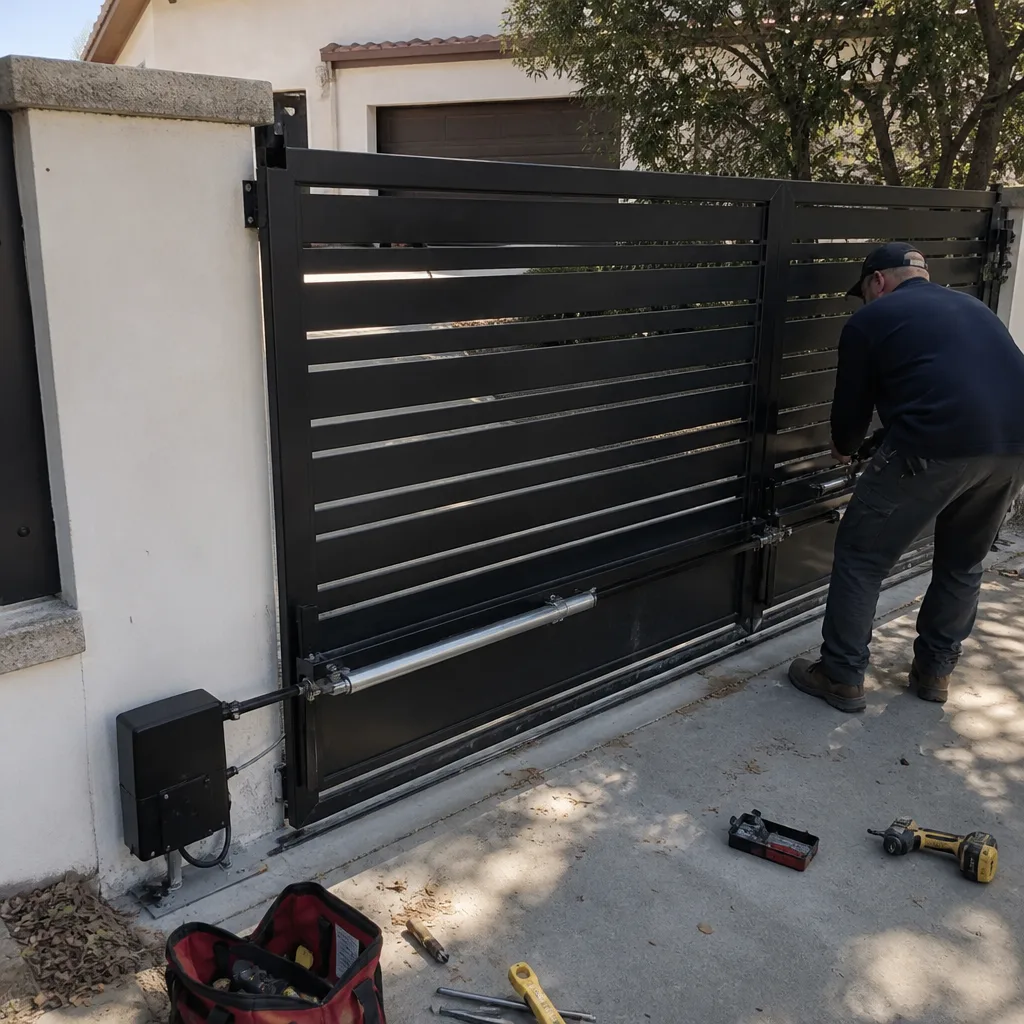 After
After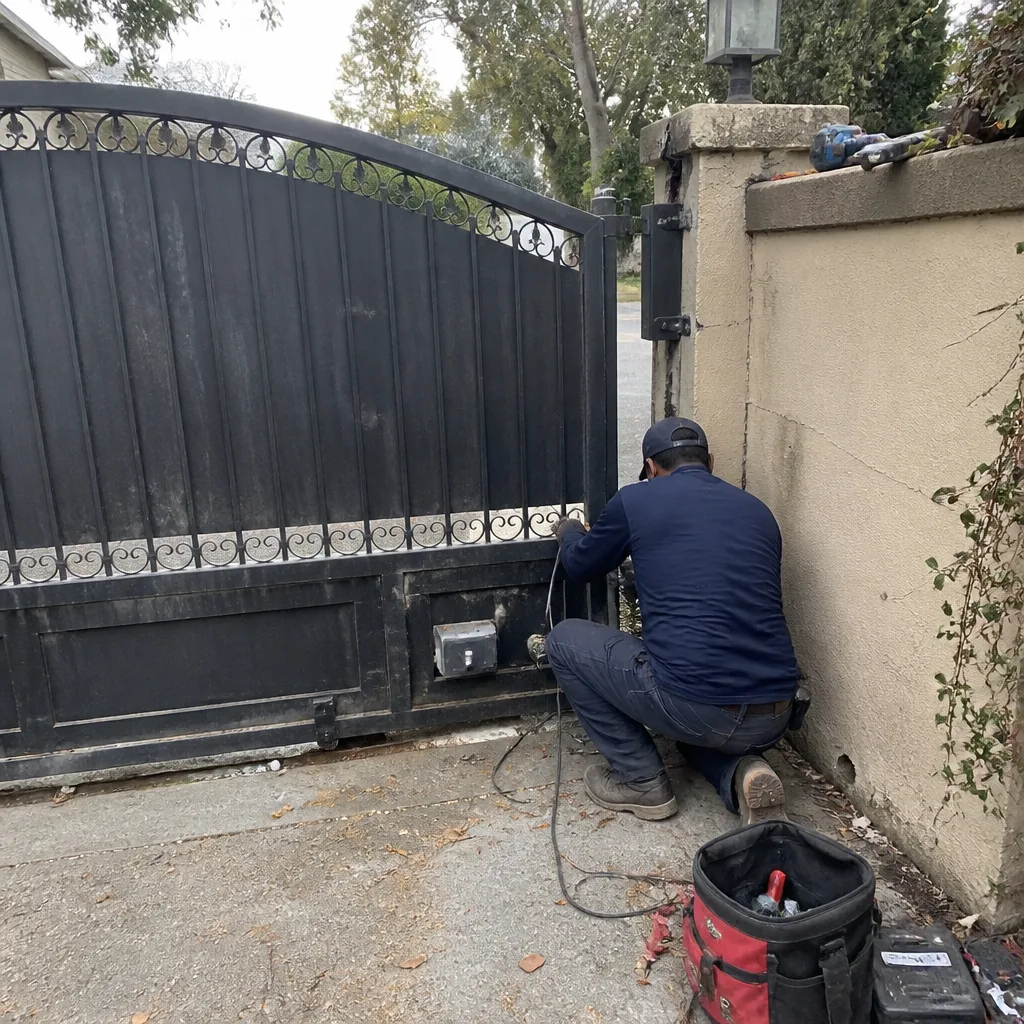 Before
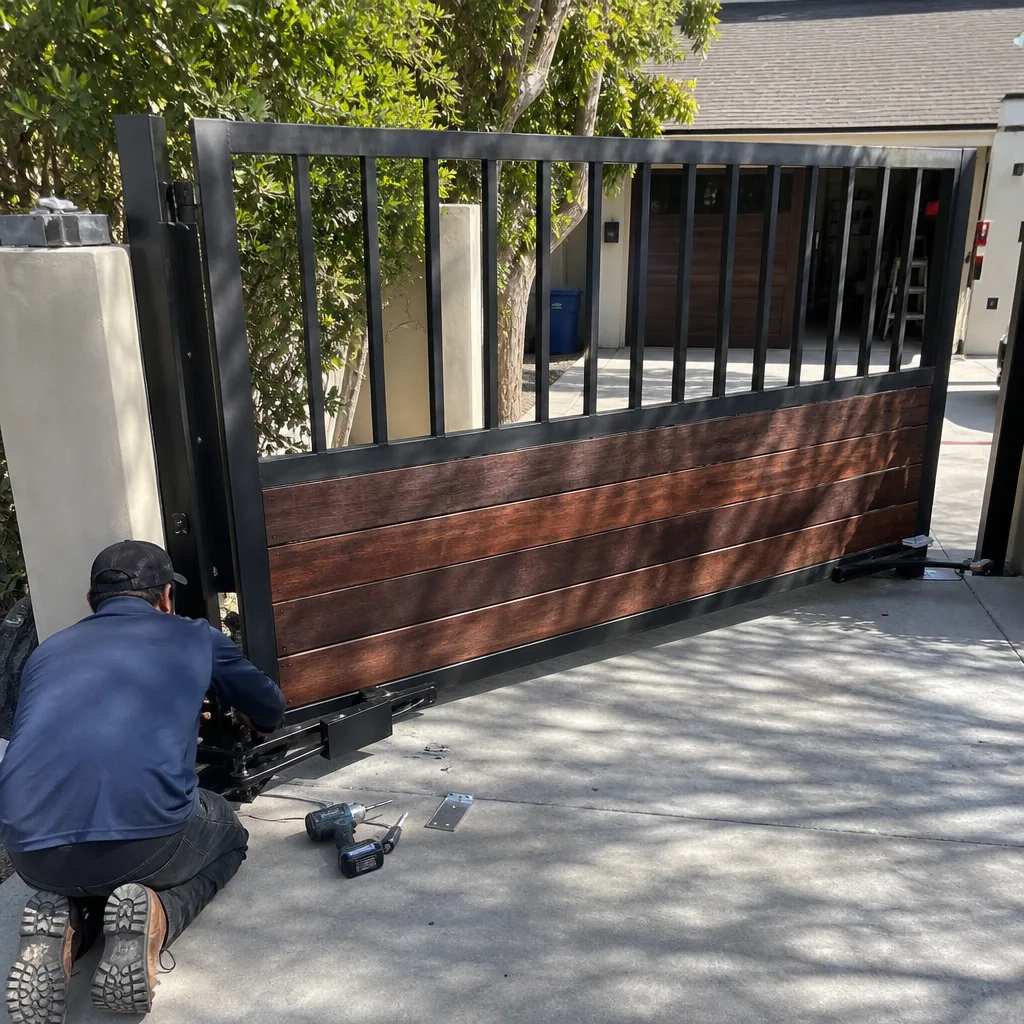 After
After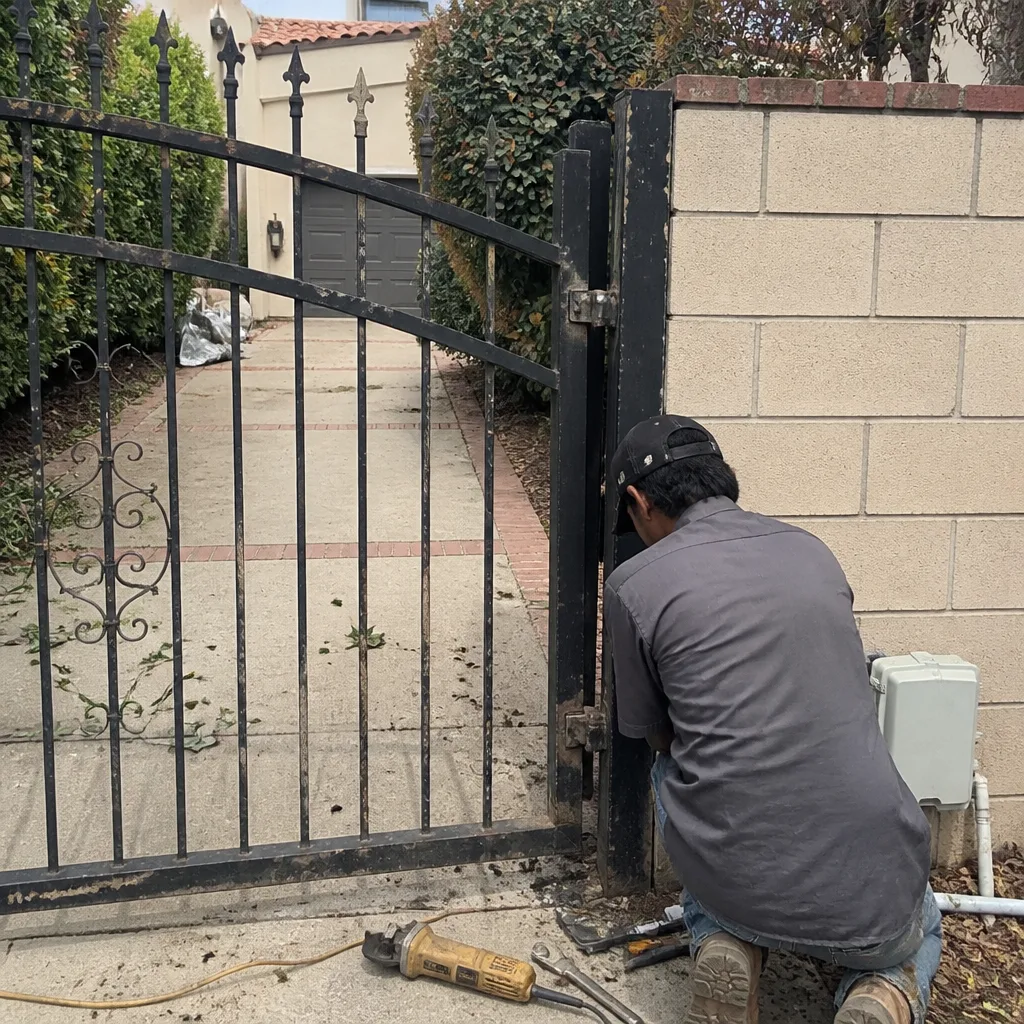 Before
 After
After