
Last updated October 16, 2026
 Wrought iron
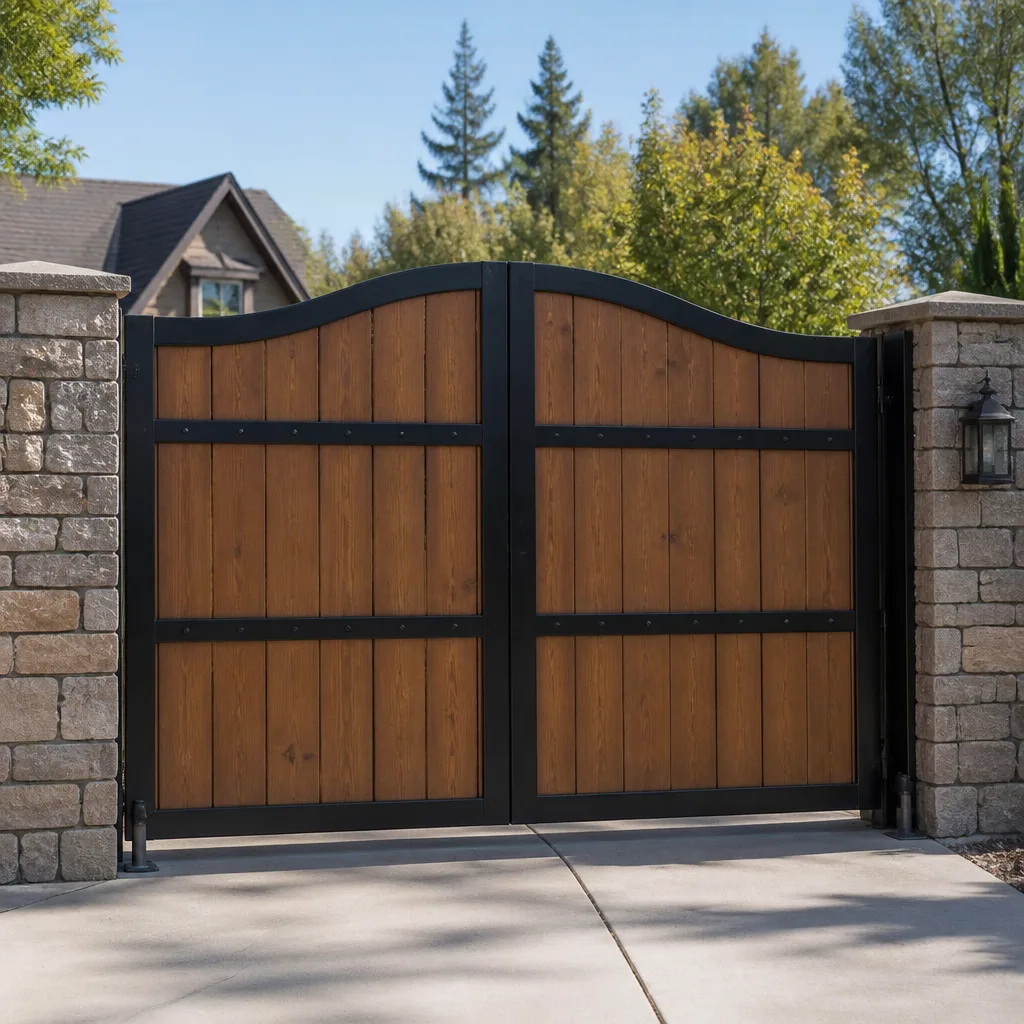 Wood & steel frame
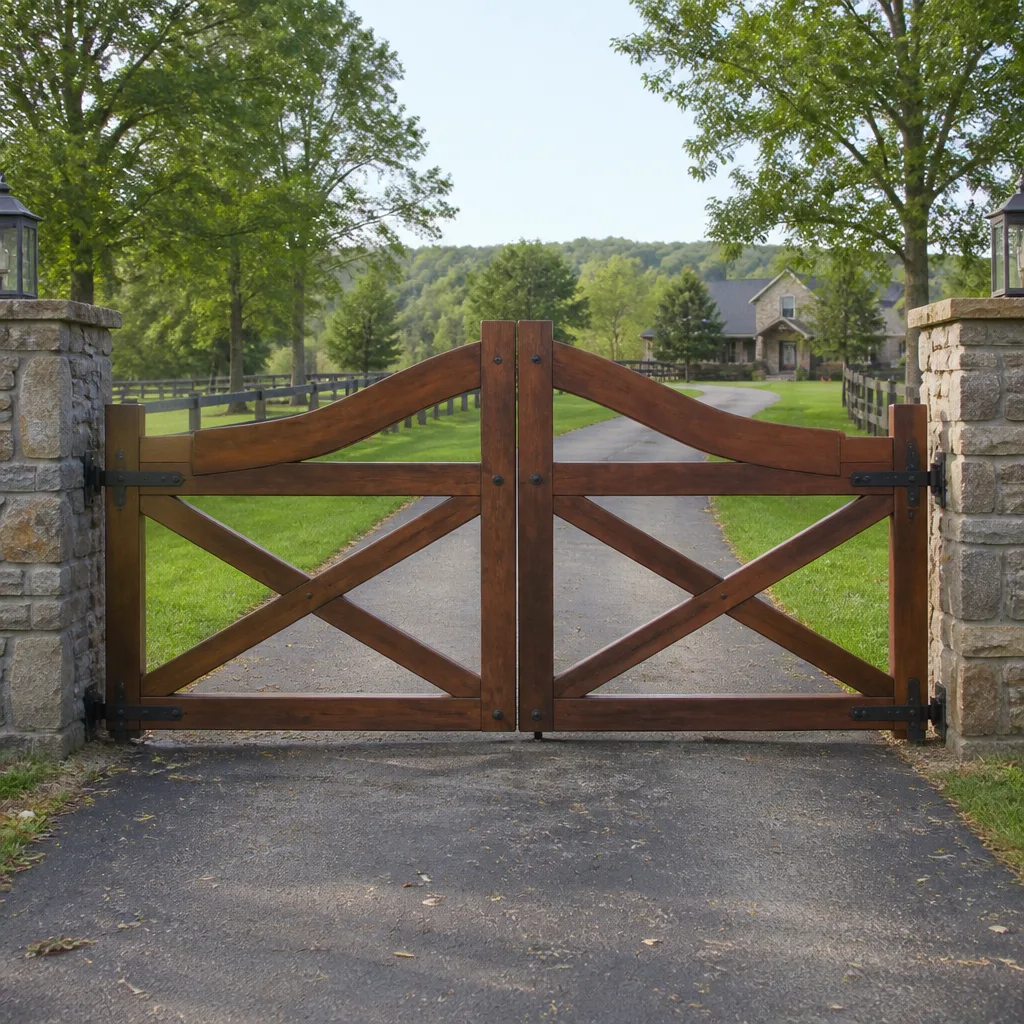 Farm & ranch
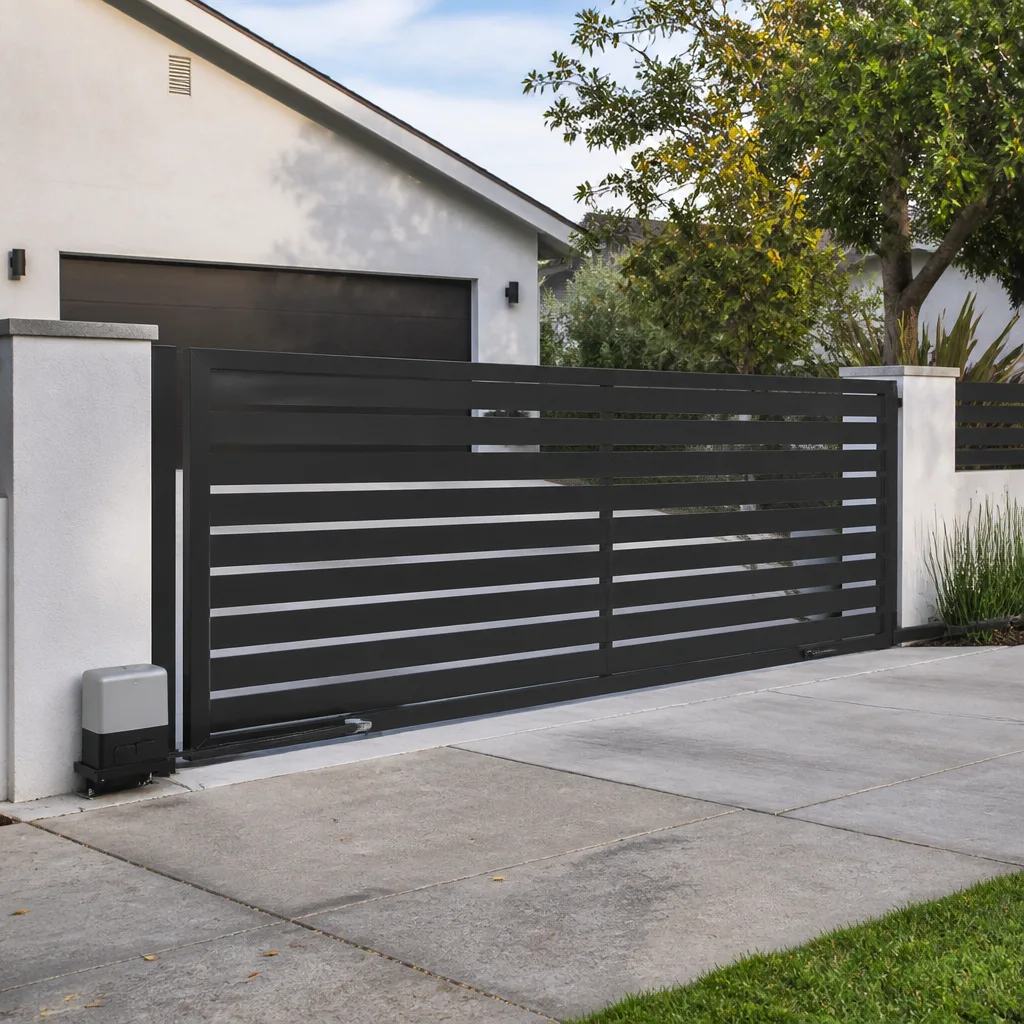 Sliding driveway gates
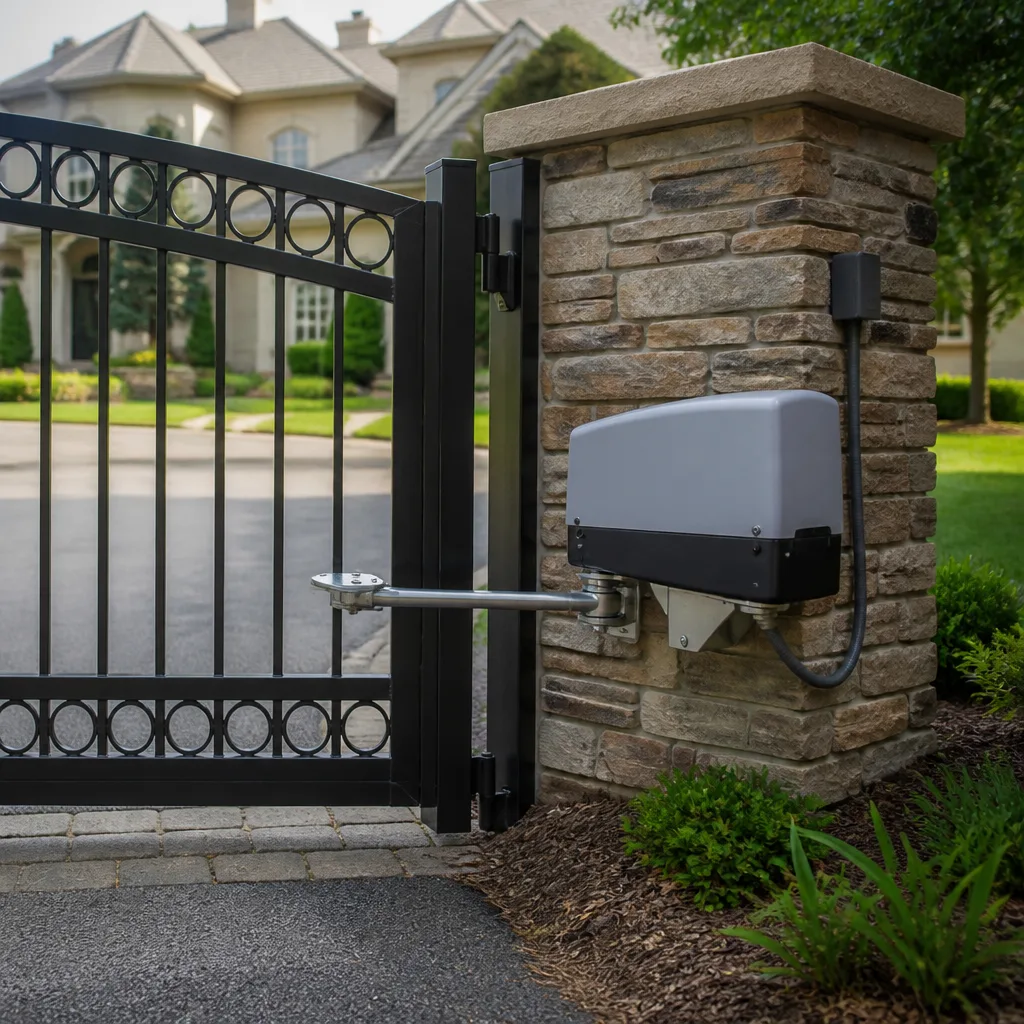 LiftMaster operators
Free on-site gate assessment - hinges, posts, and your LiftMaster or Nice gate operator checked before anything is quoted
The assessment is free and the quote is the invoice.
Get your free estimateGate Repair Warning Signs: A Pasadena Homeowner’s Reference Guide
A gate that hesitates for two seconds before moving isn’t “a little slow.” It’s a motor drawing excess current to overcome a mechanical problem, and that behavior typically precedes complete failure within 30 to 60 days. Most Pasadena homeowners don’t get blindsided by a dead gate. They get blindsided by warnings they didn’t know how to read. This guide walks you through every major warning sign, organized by the component that’s failing, so you know exactly what you’re looking at, what it means, and how long you can safely wait before calling someone. We’ve provided Gate Repair services across Pasadena since 2008, and the pattern is consistent: the earlier you catch the sign, the smaller the repair.
Styles & brands we work with
Quick Answer
The most common gate repair warning signs in Pasadena are a gate that hesitates or stutters before moving, grinding or screeching noises during operation, a gate that visibly sags or drags on the ground, auto-reverse that fails to trigger on contact, and a motor that runs but doesn’t move the gate. Any single one of these warrants a closer look, but auto-reverse failure is the one that should stop you from using the gate entirely until it’s inspected. Most mechanical warnings can be addressed affordably if caught within the first 30 days; waiting longer converts a $200 hinge job into a $1,800 motor replacement.
Table of Contents
- Hinge Warnings: Sagging, Scraping, and the Telltale Groan
- Post Warnings: Leaning, Cracking, and What Eucalyptus Roots Do
- Motor Warnings: Humming, Hesitation, and Thermal Shutdown
- Sensor Warnings: Auto-Reverse Failure and the Safety Eye Blind Spot
- Track Warnings: Debris, Gopher Damage, and Bottom Roller Failure
- Intercom and Keypad Warnings: When the Gate Stops Listening
- Urgency Triage: Monitor, Schedule, or Stop Using the Gate
- How to Photograph Warning Signs for an Accurate Phone Estimate
- Common Mistakes to Avoid
- When to Call a Professional
- Frequently Asked Questions
- The Bottom Line
Hinge Warnings: Sagging, Scraping, and the Telltale Groan
Hinges are the most common point of failure on swing gates in Pasadena, and they almost never fail silently. The first warning sign is visual: stand at the latch end of your gate and look across the top edge. A healthy gate describes a clean horizontal line. A gate with failing hinges shows a visible drop at the free end, usually a quarter-inch to a full inch lower than the hinge side. This sag is caused by hinge pin wear, loose mounting bolts, or the hinge leaf pulling away from the post or the gate frame itself.
The second warning sign is audible. When a hinge begins to bind, it produces a low groan or a sharp metal-on-metal creak during movement. This isn’t a lubrication issue. It’s metal wearing against metal because the hinge pin is no longer aligned. Applying spray lubricant quiets the symptom for a few days but does nothing for the underlying wear. In our experience across Pasadena, a groaning hinge has typically already lost 40 to 60 percent of its load-bearing surface.
The third warning sign is tactile: place a hand on the gate midway along its length and lift upward. Free vertical play of more than an eighth of an inch means the hinge pin is loose inside the hinge barrel. A properly fitted hinge has minimal play. That looseness is what allows the gate to drop, which then drags the gate across the driveway and transfers stress to the motor.
What a Sagging Hinge Costs if Ignored
- Early stage (visible sag under half an inch, minor groan): hinge replacement or shimming, typically $120 to $260 per hinge installed.
- Mid stage (sag over half an inch, metal-on-metal screech, visible pin wear): hinge replacement plus gate realignment, typically $275 to $450.
- Late stage (gate drags, post shows cracks around hinge bolts, motor strains): hinge and post repair plus potential motor service, typically $600 to $1,400.
- Failure stage (hinge weld or bolt breaks, gate drops): emergency gate re-hang or full replacement, typically $1,800 to $4,500 depending on gate size and material.
In Pasadena’s climate, the freeze-thaw cycle is not the issue it is in colder regions, but the dry heat and occasional Santa Ana winds push fine dust into hinge barrels, accelerating wear. Wrought iron and steel gates from the early 2000s in neighborhoods like Bungalow Heaven and Madison Heights are now hitting the 20-year mark, which is exactly when factory hinge pins reach the end of their designed lifespan.
If you’re seeing early-stage hinge wear, the fix is straightforward and affordable. If you’re hearing the groan and the gate has started dragging, schedule service within a week. Once the hinge bolt shears, the gate becomes a falling hazard and a security problem at the same time. For a closer look at what full gate service involves, see our guide to Gate Repair in Pasadena.
Post Warnings: Leaning, Cracking, and What Eucalyptus Roots Do
Gate posts carry the entire weight of the gate and absorb the force of every open and close cycle. When a post begins to fail, the signs are visible at ground level before they’re visible at the gate. Look at the gap between the bottom of the post and the surrounding concrete or soil. A fresh gap, or a widening one, means the post is shifting under load. Look for hairline cracks radiating outward from the post base in a concrete driveway or walkway. Those cracks are load paths: the post is transferring lateral force into the concrete, and the concrete is losing.
In Pasadena, one culprit stands above the rest: eucalyptus root pressure. Mature eucalyptus trees, common along older property lines in the San Rafael Hills, Hastings Ranch, and along the Arroyo Seco, send lateral roots outward in search of water. Those roots can exert enough pressure to push a gate post out of plumb over the course of three to five years. We’ve seen posts that were perfectly vertical at installation lean 15 to 20 degrees within a decade, solely from root pressure. If you have a eucalyptus within 30 feet of your gate, check the post alignment every spring.
The second Pasadena-specific factor is expansive soil. The clay-heavy soils in parts of northeast Pasadena and the Linda Vista area expand when saturated after winter rains and contract during the dry summer. That cycle works the concrete footing of the post loose over time. A post that’s firm in September but wobbles in February is telling you the footing is undersized for the soil conditions.
How to Check a Post for Early Warning
- Stand at the gate and push the closed gate firmly forward and backward. Watch the post, not the gate. Any visible movement at the post base is a warning sign.
- Check the gap between the post and any adjacent wall or fence section. A gap that’s wider at the top than the bottom means the post is leaning.
- Look for rust staining or white powdery residue at the post base. Rust staining on steel posts means moisture is trapped against the post, which accelerates corrosion below grade.
- Tap the post with a metal object at knee height. A solid post rings. A post with internal corrosion or a cracked weld sounds dull and flat.
Post repair in Pasadena typically involves either re-setting the post in a new, deeper concrete footing or installing a steel post anchor that isolates the post from soil movement. Depending on gate size and post condition, expect to pay $400 to $1,200 for a standard single-post repair. Waiting until the post actually fails can mean a gate that falls across the driveway, which is both a security exposure and a liability hazard. If the gate motor is also acting up when the post shifts, the two problems compound quickly; see Electric Gate Repair in Pasadena for what that combination looks like.
Motor Warnings: Humming, Hesitation, and Thermal Shutdown
The gate motor (the box that slides or swings your gate automatically) speaks in two languages: sound and behavior. The most common early warning is a change in the motor’s sound signature. A healthy gate motor produces a steady, even hum during operation. A motor that’s struggling produces a labored, strained hum, often with a slight wavering pitch. This means the motor is drawing more current than it should to move the gate, usually because a mechanical component is binding somewhere in the system.
The second warning is hesitation. When you send the open or close command and the gate pauses for one to two seconds before moving, that’s not normal. It’s the motor’s start capacitor struggling to deliver the initial surge of current needed to overcome resistance. In our experience, that hesitation is the single most reliable predictor of motor failure. When we see a motor hesitate at the start of travel, we typically find the failure within 30 to 60 days without intervention.
The third warning is thermal shutdown. If your gate stops responding after several consecutive open-close cycles and only resumes after sitting idle for 15 to 30 minutes, the motor’s thermal overload protection is tripping. This is a designed safety feature, but it’s telling you that the motor is running hotter than it should. The most common reason in Pasadena is a gate that’s out of balance or hinge-worn, forcing the motor to work against a binding load. On LiftMaster and DoorKing operators, this pattern is frequently misdiagnosed as a control board issue when the real cause is mechanical resistance upstream.
What Motor Hesitation Sounds Like
If you want to catch a motor before it fails, pay attention to the first half-second of operation. A healthy motor starts cleanly, with no lag between the command and the movement. A motor that’s in trouble either hesitates silently or emits a brief electrical buzz before the gate starts moving. That buzz is the capacitor discharging into a stalled rotor. Every time that happens, the capacitor degrades a little more. The fix at the hesitation stage is often a capacitor replacement ($90 to $180 installed) rather than a full motor replacement ($600 to $1,800 installed depending on brand and model). Ignore the hesitation and the capacitor failure eventually takes out the motor windings, and the repair becomes a full motor swap. For more on what goes wrong inside the motor itself, see Gate Motor Repair in Pasadena.
Sensor Warnings: Auto-Reverse Failure and the Safety Eye Blind Spot
Auto-reverse is the single most important safety feature on any automatic gate. It’s the system that detects an obstruction in the gate’s path and reverses direction before causing injury or damage. When it works, it’s invisible. When it fails, the consequences are serious, especially in homes with children or pets. This is the one warning sign that should stop you from using the gate entirely until a trained professional has inspected it.
The primary test for auto-reverse is simple to describe but must be performed carefully: place a rigid object, such as a trash can or a piece of lumber, in the gate’s path and command the gate to close. The gate should reverse direction within two seconds of contact and before exerting enough force to knock the object over. If the gate continues to push against the object, if it stops but doesn’t reverse, or if it reverses only after significant resistance, the auto-reverse system has failed or is improperly calibrated.
The second sensor system to check is the photo eye, also called the safety beam. These are the small sensors mounted on either side of the gate opening near ground level. They project an invisible infrared beam across the opening. When the beam is broken, the gate should stop and reverse. Common warnings that the photo eye is failing include: the gate closes even when something blocks the beam path, the gate reverses randomly with nothing in the path, or the sensor LED indicators don’t illuminate. In Pasadena, heavy morning marine-layer moisture and direct afternoon sun can shorten photo eye lifespan, especially on western-facing gate installations in the San Rafael Hills. Dust from the arroyos also coats the sensor lenses over time, reducing their effective range.
Why Auto-Reverse Matters More Than Any Other Warning
Automatic gate systems are required by state and federal safety standards to include both a contact-sensing reverse mechanism and a non-contact sensor. These requirements exist because gates have caused serious injuries and fatalities. A gate that fails to reverse on contact is not a nuisance; it’s a hazard. If your gate’s auto-reverse has stopped working, do not use the gate. Unplug the operator or switch it to manual mode, and call for service. This is not a repair that can wait. At Warden Gate Repair Pasadena home, we treat auto-reverse failures as priority calls because the risk profile is different from a noisy hinge or a slow motor.
The repair itself is usually not complicated. Most auto-reverse failures trace to a misaligned limit switch, a failed obstruction sensor, or incorrect force settings on the control board. The typical repair runs $120 to $350. The cost of not repairing it is measured in something other than dollars.
Track Warnings: Debris, Gopher Damage, and Bottom Roller Failure
Slide gates, the horizontal-gate style common on many Pasadena properties with long driveways, ride on a steel track or a cantilever system. The track is the ground-level rail that the gate’s bottom rollers travel along. Pasadena presents two specific threats to slide gate tracks that most generic gate guides never mention: gopher damage to the wiring conduit and stucco debris blocking the roller path.
Gopher activity is a fact of life in Pasadena’s foothill neighborhoods, particularly in Hastings Ranch and the areas bordering the Eaton Canyon wash. Gophers tunnel through soft soil and chew through whatever they encounter, including the PVC or flexible conduit that protects underground gate wiring. The first warning that gophers have reached your gate wiring is usually intermittent: the gate works, then doesn’t, then works again. No pattern, no warning, just random failure. That randomness is the signature of a wiring connection that’s been compromised but not fully severed. If caught early, the repair is a conduit splice ($150 to $300). If the short reaches the control board, the repair can exceed $600.
The second Pasadena-specific threat is stucco debris. Many homes in Pasadena’s historic districts, including Bungalow Heaven and the Caltech area, have stucco exteriors. Construction, renovation, and even normal weathering shed small stucco fragments that wash toward the gate track during rain. Those fragments wedge into the track and the bottom rollers grind over them. The warning sign is a rhythmic thumping or grinding as the gate travels, along with visible white or gray powder accumulating in the track channel. The fix is a track cleaning and roller inspection ($75 to $150), but ignored buildup damages the roller bearings, and roller replacement runs $200 to $450 per roller.
What Bottom Roller Damage Looks Like
- Flat spots on the roller wheel: the gate thumps at regular intervals as it moves.
- Wobble or side-to-side movement at the gate’s free end: the roller bearings have worn and the gate is tracking unevenly.
- Visible rust on the roller assembly: moisture is trapped in the track, accelerating corrosion.
- The gate travels slower in one direction than the other: the rollers are binding against a warped or debris-clogged track.
Slide gates that run on wheels without a track have their own warning sign: flattened or split rubber tires on the gate wheels. These wear unevenly when the gate is out of balance, and the flat spot produces the same rhythmic thump. Wheel replacement typically runs $100 to $250 per wheel installed.
A good habit for Pasadena homeowners with slide gates: walk the track once a month and clear out leaves, stucco pieces, and the small eucalyptus bark strips that blow in from neighboring trees. That 60-second check prevents most roller and track failures. If the track itself has shifted or cracked after the winter rains, the repair is a track reset rather than a roller swap. See Gate Repair in Pasadena for details on track assessment and repair.
Intercom and Keypad Warnings: When the Gate Stops Listening
The intercom, keypad, and remote control system is the user-facing half of your gate. When it fails, the gate itself may be mechanically sound, but the interface stops working. The warning signs here are more incremental than dramatic, which means they’re easier to overlook until a visitor stands at the gate pressing the call button and nothing happens.
The most common early warning on gate intercom systems in Pasadena is a weak or crackling audio connection. When a visitor presses the call button and you hear static, a faint voice, or a delayed connection, the intercom system’s wiring or wireless transmitter is degrading. In older systems, particularly DoorKing telephone-entry units installed in the 2000s, the problem is often corrosion on the terminal connections inside the intercom housing. Pasadena’s dry summers followed by winter rains create the moisture cycles that corrode those terminals.
The second warning is keypad key failure. If certain keys on the gate keypad require multiple presses or stop responding entirely, the keypad membrane is wearing out. This is a mechanical failure, not a programming issue. Keypads in direct afternoon sun, common on south-facing gate installations across Pasadena, degrade faster because UV exposure breaks down the membrane material. A replacement keypad for a Mighty Mule or Elite system typically runs $80 to $220 installed.
The third warning is remote range loss. If your gate remote only works when you’re within 15 to 20 feet of the gate, when it previously worked from the end of the block, the remote’s battery may be weakening or the receiver antenna on the gate may be damaged. Check the remote battery first. If fresh batteries don’t restore range, the receiver is the problem, and replacement typically runs $120 to $300. Ghost Controls and LiftMaster receivers are the most common units we replace in Pasadena.
What to Check Before Calling About an Intercom Problem
- Confirm the intercom has power. Check the breaker and the intercom’s LED indicator lights.
- Test the call button from the visitor side. If nothing happens at all, the button or wiring to the master unit has failed.
- Test the gate remote from inside your car with the engine running. Vehicle electrical interference can sometimes mask a weak remote signal.
- Check the keypad backlight. If the backlight is out but the buttons still function, the problem is cosmetic. If buttons fail, the membrane needs replacement.
Intercom and access control issues are often the most frustrating for homeowners because they feel urgent even when the gate itself is fine. A visitor who can’t reach you is a practical problem, but it’s usually not a safety emergency. The exception is a gate that won’t open at all from the inside, which can trap a vehicle in the driveway and becomes an immediate access issue.
Urgency Triage: Monitor, Schedule, or Stop Using the Gate
Not every warning sign requires immediate action. Knowing which signs allow you a few weeks of observation and which demand immediate shutdown is the difference between a $200 repair and a $2,000 emergency call. Here’s how we triage gate warnings in Pasadena homes.
Monitor for 30 Days
- Minor hinge squeak without visible sag: lubricate and observe. If the sound changes or worsens, escalate.
- Remote range slightly reduced: fresh remote batteries first. If range continues to decline, schedule service.
- Cosmetic rust on non-structural components: clean and apply rust inhibitor. If rust penetrates, schedule.
- Intermittent keypad key failure on one key: note which key and how often. If it spreads, schedule.
Schedule Within a Week
- Visible gate sag under one inch at the free end: hinge wear is active. The repair window is open now.
- Motor hesitation at the start of travel: capacitor strain is the warning before motor failure.
- Grinding or regular thumping during gate movement: rollers or track debris are causing mechanical wear.
- Post movement visible when the gate is pushed: the footing is compromised. This gets worse with every cycle.
- Intercom audio crackling or cutting out: corrosion is active inside the unit. It won’t self-heal.
Stop Using the Gate Until Inspected
- Auto-reverse fails the obstruction test: the gate does not reverse on contact. This is a safety-critical failure.
- Gate falls or drops suddenly at any point during travel: a hinge or post may have failed. The gate is unstable.
- Gate continues to run after reaching the open or closed position: the limit switch has failed and the motor may be driving the gate past its mechanical stop.
- Smoke, burning smell, or visible sparks from the motor or control box: cut power at the breaker immediately and call for service.
- Gate opens or closes without a command: a control board fault or wiring short can cause phantom operation, which is dangerous.
The logic behind this triage is simple: anything that threatens a person’s physical safety goes in the “stop using” category. Anything that’s purely mechanical or electrical wear goes in the “schedule within a week” category, because every additional cycle shortens the component’s remaining life. If you’re unsure which category your warning sign falls into, call and describe it. A two-minute description is usually enough for an experienced gate technician to tell you whether it’s a monitor or a stop-using situation.
How to Photograph Warning Signs for an Accurate Phone Estimate
Most gate repair companies in Pasadena give estimates over the phone based on a verbal description. A verbal description of a gate problem is usually incomplete. A photograph is a different level of information entirely. Here’s how to photograph each type of warning sign so a technician can give you an accurate ballpark before scheduling a visit. At Warden Gate Repair Pasadena home, we ask customers to send photos before the visit because the right photograph often tells us exactly which part is failing, which means the tech who arrives already has the part on the truck.
The Six Photos That Help Most
- The full gate from the driveway side, closed position: this shows the gate type, size, material, and overall condition. Frame the entire gate and both posts.
- A close-up of the hinge assemblies, top and bottom: photograph the hinge from the side and from above. If there’s sag, the photo from above shows the angle of deflection.
- The motor unit and any visible wiring: open the motor cover if you can do so safely and photograph the label showing the brand and model. For a LiftMaster, DoorKing, or Elite unit, the model number is usually on a sticker inside the housing.
- The track and bottom rollers (for slide gates): photograph the track from end to end and a close-up of each roller. If debris is packed into the track, photograph that.
- The sensor or photo eye assemblies: photograph both sensors from the front so the technician can see the lens condition and the alignment. If the LED indicators are out, note that in a text alongside the photo.
- The post bases from ground level: photograph the area where each post meets the ground or concrete. Include any visible cracking, gaping, or root pressure from nearby trees.
Use your phone’s flash for close-ups inside the motor housing. Photograph in daylight when possible. If the gate only misbehaves at a certain time of day or temperature, note that: “Gate hesitates more in the morning when it’s cool” is useful diagnostic information. The goal is not to become the technician yourself; it’s to give the technician enough visual data to show up with the right parts and the right plan. The written price we give you before the visit is based on those photos and the description you provide, which means fewer surprises for everyone.
Common Mistakes to Avoid
- Lubricating a groaning hinge and assuming the problem is solved. Lubricant quiets the symptom, but the hinge pin wear continues. Within weeks, the groan returns, and by then the hinge may have lost enough material to require full replacement instead of a shim.
- Testing auto-reverse with a hand or foot in the gate path. Never place any part of your body in the pinch zone of a gate that may have a failing auto-reverse system. Use a rigid object like a trash can or a sturdy cardboard box.
- Ignoring the motor hesitation because the gate “still works.” The hesitation is the motor telling you it’s struggling. The struggle is what kills the motor. A capacitor replacement during the hesitation phase is a fraction of the cost of a motor replacement after failure.
- Treating eucalyptus root pressure as an unsolvable problem. Many Pasadena homeowners assume a leaning post next to a eucalyptus tree is permanent. Post anchors and deeper footings are standard solutions that stop the movement.
- Replacing the remote battery without checking the receiver. If fresh batteries don’t restore remote range, the receiver or antenna is the issue. Replacing the remote itself, which many homeowners do first, is wasted money.
- Power-cycling the breaker to reset a thermal shutdown without finding the cause. The thermal overload trips because the motor is overheating, and the motor overheats because it’s working against a mechanical bind. Resetting the breaker without fixing the bind just repeats the cycle until the motor dies.
- Ignoring a photo eye that’s misaligned because the gate still opens and closes. An open or misaligned photo eye may not stop the gate from operating, but the safety system is compromised. The repair is minor; the risk of ignoring it is not.
When to Call a Professional
Call a professional when any warning sign falls into the “schedule within a week” or “stop using the gate” categories above; see How to Hire a Gate Repair Contractor in Pasadena: A Step-by-Step Guide for what to ask. Specifically, call if your gate is sagging visibly, if the motor hesitates before moving, if the gate grinds or thumps during travel, if the post moves when the gate is pushed, if the auto-reverse fails to trigger on contact, or if the gate operates without a command. These are not DIY repairs. Gate systems combine structural load, electrical power, and safety circuitry, and the failure modes are not forgiving. The most expensive repairs we handle in Pasadena are the ones that started as small warnings and became full failures because someone waited.
Warden Gate Repair Pasadena offers free estimates in Pasadena. Call (626) 657-5425, describe what you’re seeing, and we’ll help you determine whether the problem is urgent or can wait. We send the technician’s name and photo before the visit, and the written price is set before any work starts.
Frequently Asked Questions
Gate repair in Pasadena typically ranges from $150 to $450 for common issues like hinge replacement, roller cleaning, capacitor replacement, and sensor realignment. More involved repairs, including post resetting, motor replacement, and control board replacement, typically run $600 to $1,800 depending on the gate size, brand, and access conditions. Every repair at Warden Gate Repair Pasadena includes a written price before any work starts, so the number you’re quoted is the number you pay. Call (626) 657-5425 for a free estimate based on your specific gate and warning signs.
The hesitation is the motor’s start capacitor struggling to deliver the initial surge of current needed to move the gate against mechanical resistance. The resistance is usually a binding hinge, a misaligned track, or an unbalanced gate. That hesitation typically precedes complete motor failure within 30 to 60 days, so it’s worth addressing as soon as you notice it. The fix at the hesitation stage is often a simple capacitor replacement rather than a full motor swap.
We prioritize auto-reverse failures and gates that won’t open or close at all, and we work to get to those calls as quickly as possible. For urgent safety issues, call (626) 657-5425 and describe what’s happening; our live-person phone coverage means you’ll speak with a real person who can assess the urgency and get a technician dispatched. For non-urgent repairs, we schedule the visit at a time that works for you and send the technician’s name and photo before arrival.
Yes. Warden Gate Repair Pasadena is authorized for service on nine major gate and opener brands, including LiftMaster, DoorKing, Mighty Mule, Elite, FAAC, BFT, Linear, Viking, and Ghost Controls. Factory-trained service across those brands means the technician who arrives knows the specific failure patterns for your system and typically has the right parts on the truck on the first visit.
Stop using the gate immediately and switch the operator to manual mode if that’s an option on your system. Auto-reverse failure is the most dangerous gate malfunction because the gate will continue to push against an obstruction rather than reversing. Don’t test the system with your body; use a rigid object like a trash can. Then call (626) 657-5425 and describe what you observed. Most auto-reverse failures trace to a misaligned limit switch, a failed obstruction sensor, or incorrect force settings, and the repair typically runs $120 to $350.
In most cases, no. The majority of warning signs we respond to in Pasadena are repairable at the component level: hinge replacement, post re-setting, roller replacement, capacitor swap, or sensor realignment. A full gate replacement is only necessary when the gate frame itself has structural failure, which is rare before 20 to 25 years of service unless the gate has been previously damaged. The sooner the warning sign is addressed, the more likely a component-level repair will solve it.
The Bottom Line
Gate failures in Pasadena rarely arrive without warning. The hinge groans, the motor hesitates, the post leans, the sensor light goes dark, and the track fills with debris. Each of those signs is a message about a specific component with a specific repair window. Read the sign early and the repair is measured in hundreds of dollars; our more guides & resources can help you stay ahead of problems. Wait until the sign becomes a failure and the repair is measured in thousands. Auto-reverse failure is the exception to every timeline: if the gate pushes instead of reverses, stop using it and call a professional. A gate is a machine with a job to do, and every machine tells you when it’s struggling. The only question is whether you’re listening.
Written by Cole Rafferty, Owner at Warden Gate Repair Pasadena, serving Pasadena since 2008.
See the difference
 Before
 After
After Before
 After
After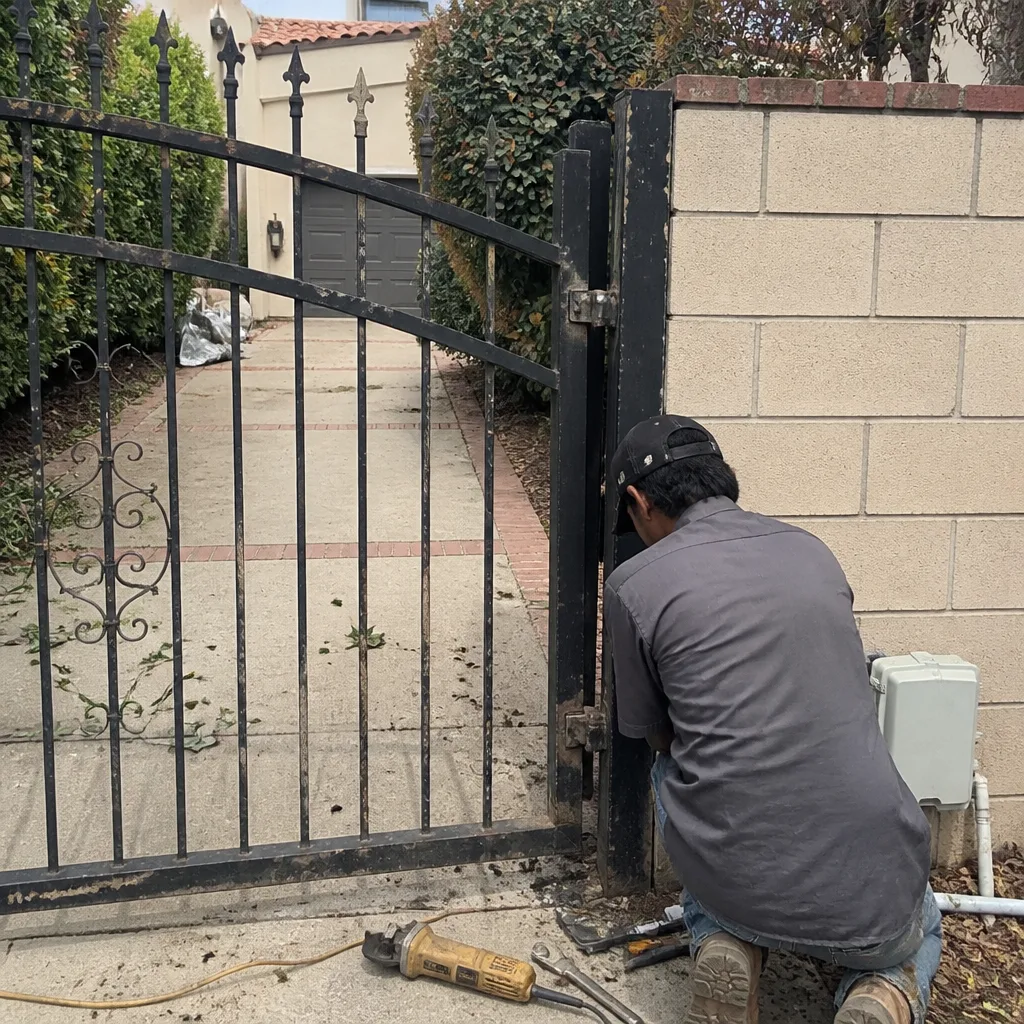 Before
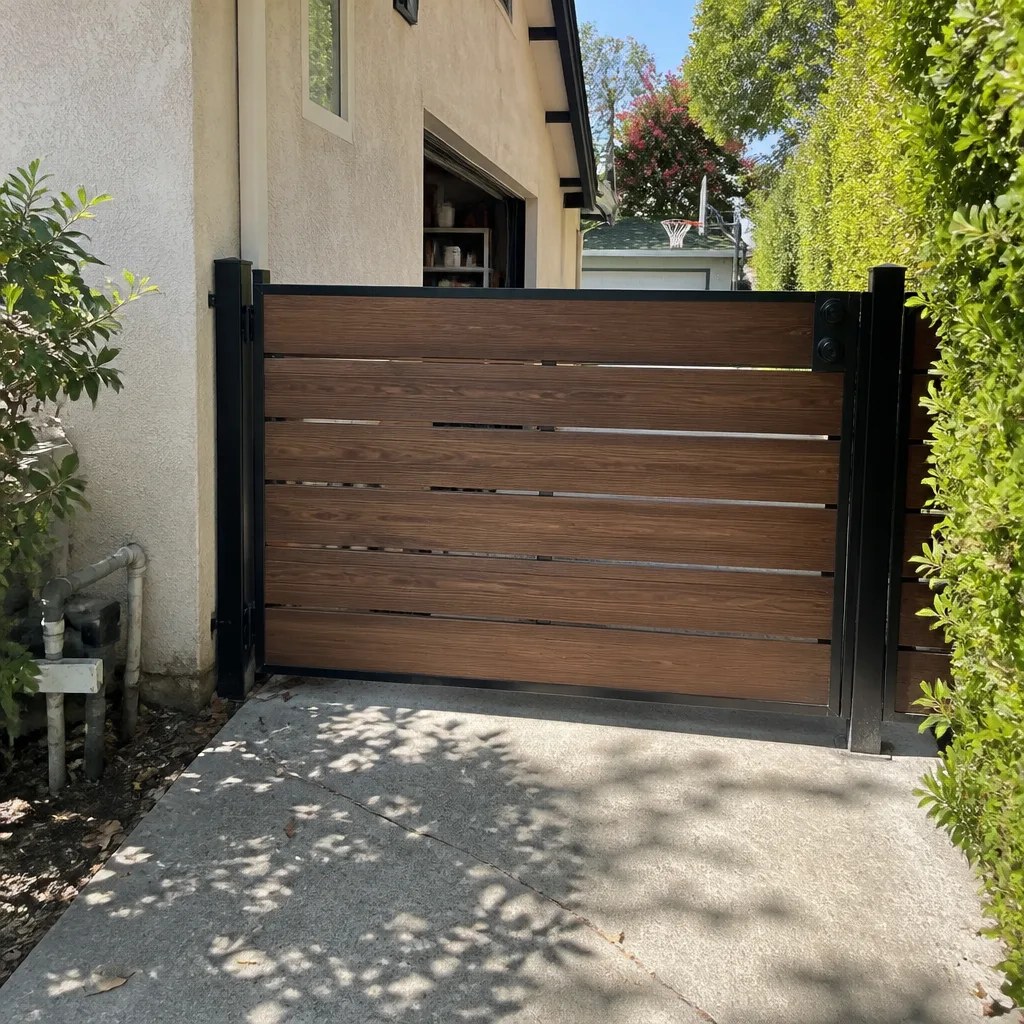 After
After